
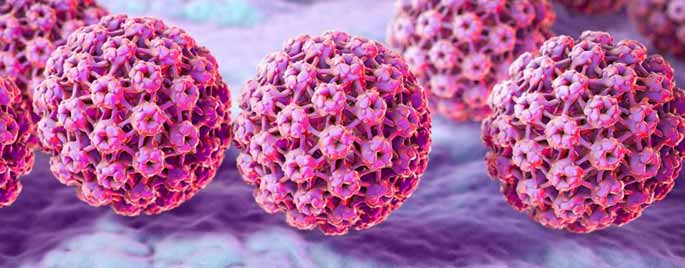
Human papillomavirus (HPV) infection is a common sexually transmitted disease, and many people may be infected without realizing it. Although most HPV infections are asymptomatic, persistent high-risk HPV infections are the primary risk factor for cervical cancer and other genital-related cancers. Studies show that HPV types 16, 18, 31, 33, 45, 52, and 58 account for over 90% of cervical cancer cases, while other types, such as HPV 6 and 11, are associated with genital warts and skin warts. This makes HPV infection a significant public health concern for women’s health globally.
To address this challenge, the HPV vaccine has proven to be a highly effective preventive measure. According to the Centers for Disease Control and Prevention (CDC) and the World Health Organization (WHO), the HPV vaccine can prevent infections from multiple high-risk and low-risk HPV types, significantly reducing the incidence of cervical cancer, vulvar cancer, anal cancer, and penile cancer. The vaccine works by stimulating the immune system to produce neutralizing antibodies against specific HPV types, enabling the body to quickly block the virus from spreading or establishing persistent infection upon exposure, thus preventing malignant cellular changes.
Internationally, it is widely recommended to administer the HPV vaccine before the onset of sexual activity to establish an immune barrier prior to potential exposure. For individuals who have already had sexual experience, the vaccine can still protect against HPV types they have not yet been exposed to. Typically, the HPV vaccine is administered as a three-dose series, with the vaccination schedule tailored based on age, physiological condition, and local health policies, guided by a healthcare professional. This vaccination strategy not only effectively prevents infection but also helps reduce the occurrence of related cancers and other HPV-associated diseases.
Additionally, the HPV vaccine is effective not only against cervical cancer but also in preventing other HPV-related conditions. For instance, vaccination can significantly reduce the incidence of vulvar cancer, vaginal cancer, anal cancer, and genital warts. Despite the vaccine’s high effectiveness, experts still recommend that women undergo regular cervical cancer screenings (such as Pap smears or HPV testing) to detect cellular changes early and receive timely treatment if needed.
Overall, the HPV vaccine is regarded as a revolutionary public health advancement in preventing cervical cancer and other HPV-related diseases. Vaccination establishes a protective barrier before infection, markedly reducing the risk of cancers caused by high-risk HPV types. For individuals seeking to safeguard their health, getting the HPV vaccine early and undergoing regular health screenings are critical strategies for maintaining reproductive health. For more details, please consult your family doctor or local public health authorities. Explained by Dr. Yeung Ho Hong on symptoms, prevention, and treatment methods.
References:
1. Centers for Disease Control and Prevention. (2021). HPV Vaccination Recommendations. Retrieved from https://www.cdc.gov/hpv/hcp/vaccination-considerations/index.html
2. World Health Organization. (2020). Human papillomavirus (HPV) and cervical cancer. Retrieved from https://www.who.int/news-room/fact-sheets/detail/human-papillomavirus-(hpv)-and-cervical-cancer
3. Garland, S. M., Kjaer, S. K., Muñoz, N., et al. (2016). HPV Vaccine and the Prevention of Cervical Cancer. Journal of Infectious Diseases, 213(3), 379-385.