
What are milia(粟粒疹)? - Explained by Dr. Yeung Ho Hong(楊浩康)
Photo by Silver442n, See commons.wikimedia.org

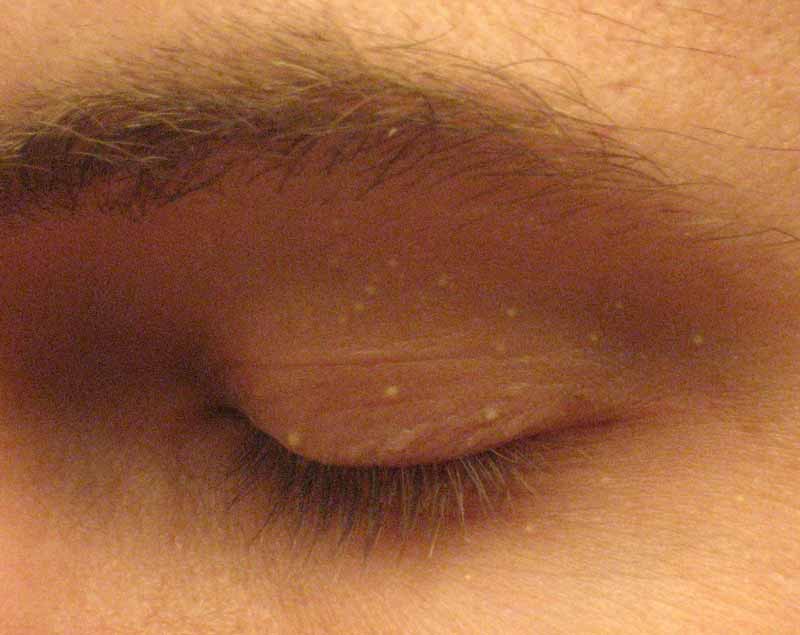
Milia, also known as milk spots, is a common skin condition characterized by small, firm cysts filled with keratin beneath the skin's surface. These tiny cysts typically appear white or pale yellow, resembling pearls, which is why they are called "milia." They are most commonly found on the face, particularly around the eyelids, cheeks, and forehead, but may also occur on other areas such as the neck or hands. Although milia are visually noticeable, they are benign and harmless, often causing no symptoms or discomfort.
From a pathological perspective, milia form when epidermal cells proliferate abnormally beneath the skin, secreting keratin that accumulates into small cysts. These cysts typically have a regular round or oval structure, often with one or more tiny openings at the top through which keratin may gradually be discharged. While this condition poses no direct harm to the body, it can affect a patient's appearance, particularly in prominent areas like the face, potentially causing psychological distress.
Milia can occur across all age groups and genders, with cases reported in newborns, children, adolescents, and adults. Both oily and dry skin types are susceptible. External factors, genetics, and skin injuries can contribute to their formation, so preventing milia involves more than just medication—it requires a holistic approach including daily skincare and lifestyle habits.
In most cases, milia are harmless and often resolve on their own, especially in infants where they are particularly common. However, repeated friction or skin damage can lead to new milia lesions in some patients. Maintaining good skin hygiene, avoiding excessive friction, and preventing trauma are key measures to reduce the recurrence of milia. For those concerned about their appearance or other issues, several treatment options are available on the market.
Treatment methods commonly used in the medical field include mechanical removal, laser therapy, chemical peels, and cryotherapy. For instance, some doctors use a sterile fine needle to puncture the top of the cyst and gently extract the keratin inside, effectively removing the lesion. This method is suitable for small, isolated milia but requires professional expertise to avoid infection or scarring. For widespread or numerous milia, doctors may recommend topical treatments like '異維A酸' (Isotretinoin) cream or medical-grade chemical peels, which improve skin cell turnover and promote gradual resolution of the lesions.
Overall, milia are common benign skin cysts primarily composed of accumulated keratin. While they pose no health risks, they may cause aesthetic concerns for patients. Most milia resolve with proper care, but when treatment is needed, doctors can choose from methods such as sterile needle extraction, laser ablation, cryotherapy, or chemical peels, depending on the lesion's location, quantity, and the patient’s skin condition. With scientifically sound treatment and preventive measures, most patients can effectively manage or eliminate milia, restoring smooth and natural skin. I hope this explanation provides a comprehensive understanding of milia and helps you choose the most suitable care and treatment options for your needs.