
What is Molluscum Contagiosum(傳染性軟疣)? - Explained by Dr. Yeung Ho Hong(楊浩康)
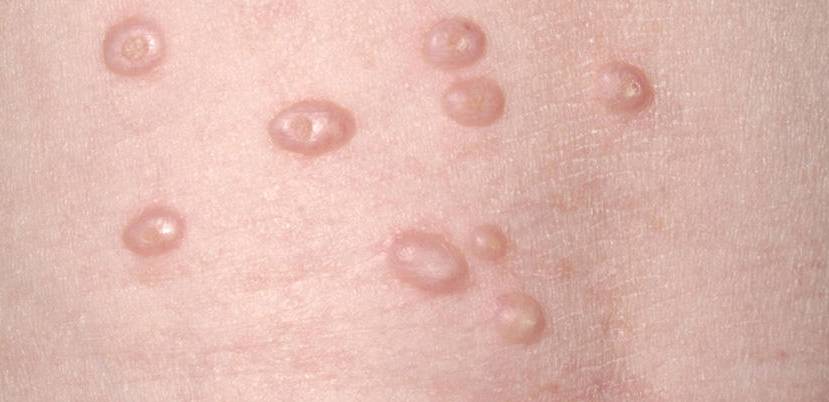
Molluscum contagiosum is a skin infection caused by the Molluscum contagiosum virus, a member of the poxvirus family. The virus is primarily transmitted through direct skin contact or contact with contaminated personal items such as towels or toys, making it more common in children. However, adults, particularly those with weakened immune systems, may also become infected. Although molluscum contagiosum is typically a self-limiting condition that resolves spontaneously within a few months, in some cases, numerous or persistent lesions can affect appearance or lead to secondary infections, necessitating active treatment.
Clinically, molluscum contagiosum presents as multiple small, smooth, and glossy flesh-colored nodules, usually 2 to 5 millimeters in diameter. These nodules often have a characteristic central indentation, resembling tiny pearls, hence the name. The lesions tend to appear in clusters, particularly on exposed areas such as the face, neck, and upper trunk. While most patients experience no pain, the nodules can become inflamed or develop bacterial infections due to friction or scratching, worsening the condition.
The molluscum contagiosum virus spreads mainly through direct skin-to-skin contact or indirect contact with virus-contaminated objects. Children are particularly susceptible in settings like schools or daycare centers due to frequent activities and incomplete hygiene habits. Additionally, infected lesions can spread to other parts of the body through inadvertent scratching or rubbing, further expanding the infection. Therefore, maintaining good personal hygiene, avoiding shared towels, clothing, or toys, is crucial for preventing molluscum contagiosum.
In most cases, molluscum contagiosum is self-limiting, meaning it resolves naturally over time without leaving sequelae. However, due to psychological burdens and aesthetic concerns, treatment is often sought. For patients with numerous, prominently located, or symptomatic lesions, treatment options include topical application of '水楊酸' (Salicylic acid), which helps soften and remove keratin buildup; cryotherapy, which uses liquid nitrogen to rapidly freeze and destroy the lesion, causing it to slough off; laser therapy, which employs high-energy beams to precisely target and destroy lesions; and, in some stubborn cases, surgical removal. The choice of treatment typically depends on the number and distribution of lesions and the patient’s skin condition, as evaluated by a dermatologist.
In addition to these treatments, patients should focus on daily care during treatment, avoiding scratching or rubbing lesions to reduce the risk of secondary bacterial infections. Parents and schools should also enhance hygiene education to help children develop proper personal hygiene habits, reducing viral transmission from the source. For patients with weakened immune systems or recurrent infections, timely medical consultation for professional treatment and early intervention is essential.
In summary, molluscum contagiosum is a common and benign skin infection caused by a poxvirus. While most cases resolve spontaneously within months, its contagious nature and impact on appearance may necessitate tailored treatment. Through timely intervention, improved personal hygiene, and avoiding sources of infection, the condition can be effectively managed and further viral spread prevented. I hope this explanation helps you gain a comprehensive understanding of the symptoms, transmission routes, and treatment options for molluscum contagiosum, enabling appropriate measures for intervention when needed.
References:
1. American Academy of Dermatology. (n.d.). Molluscum Contagiosum & Its Treatment.
2. Hengge, U. R., et al. (2006). "Molluscum Contagiosum: An Update on Clinical Presentation and Treatment Options." Journal of Dermatological Treatment, 17(5), 311-316.
3. Bolognia, J., Schaffer, J. V., & Cerroni, L. (2018). Dermatology (4th ed.). Elsevier.